
History & wine culture in the Wachau
The Celts were already using the fertile slopes, later monasteries such as Melk Abbey and Göttweig Abbey refined viticulture. The Romans brought the first vines, but it was not until the Middle Ages that the Wachau became an important trading center for wine. Dürnstein, widely known for Richard the Lionheart, whose imprisonment in the castle ruins above the village became world-famous, is now one of the most visited places of worship in Austria.
The steep slopes with dry stone walls are not only a masterpiece of human cultivation, but also a UNESCO World Heritage Site. Wines with a strong character are produced here, above all Grüner Veltliner and Riesling, which are classified in three categories under the “Vinea Wachau” system of origin: Steinfeder, Federspiel and Smaragd.
Grape varieties & stylistics
The Wachau stands for finesse-rich, dry white wines with a clear origin and enormous ageing potential. The great terroirs around Loibenberg, Achleiten and the legendary Tausendeimerberg produce wines with depth, precision and cool elegance.
Typical for the Wachau:
-
Grüner Veltliner – peppery, mineral, from slender to powerful (Smaragd).
-
Riesling – crystal clear, full of tension, with notes of citrus, peach and stone.
-
Müller-Thurgau & Neuburger – cultivated in small quantities, charming and accessible.
-
Muscatel – fragrant and light, often served as an aperitif.
The wines reflect the region’s climate: cold nights provide freshness, warm days bring ripeness. The Danube regulates, the Waldviertel protects – a perfect balance of tension and structure.
Wachau cuisine: rustic, aromatic & typical of the region
The cuisine of the Wachau is as deeply rooted as its vines. Here, rural tradition meets fine inn culture, served with seasonal clarity and a regional focus. The Buschenschank culture – simple, authentic snacks at the winegrower’s – is just as popular as classic inns with sophisticated cuisine.
Typical dishes:
-
Wachauer Laberl – crispy, crusty bread roll, often served as a snack.
-
Apricot dumplings – Wachau apricots, wrapped in curd cheese dough, with butter crumbs.
-
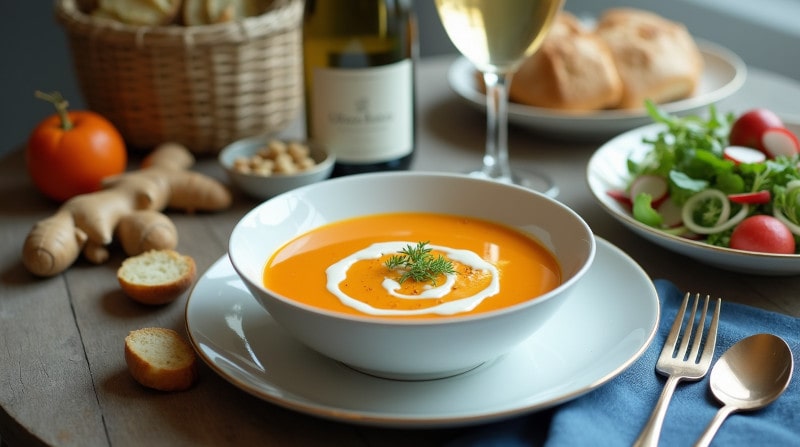
Wachau fish soup – hearty broth with Danube fish, herbs & vegetables.
-
Blunzn or Leberknödel – hearty specialties with root vegetables & broth.
-
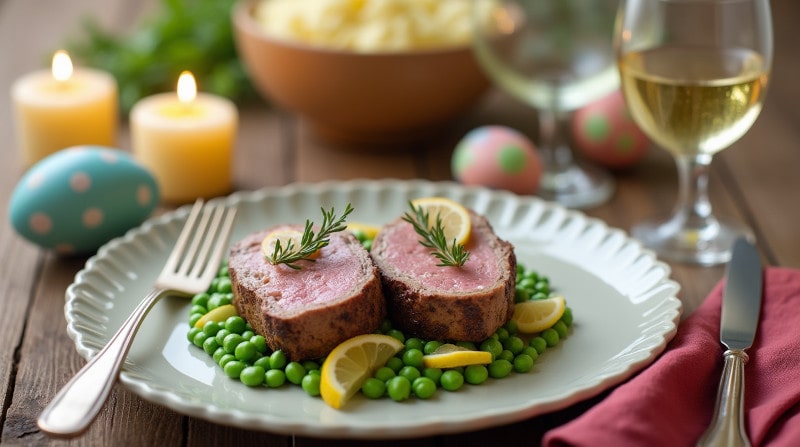
Venison ragout & saddle of venison – from the surrounding forests, often with cranberries.
Wine & food: An ideal combination
Wine and food are inextricably linked in the Wachau. Whether in an elegant restaurant or a stop for a bike ride in a wine tavern – culinary pairing has tradition and depth here.
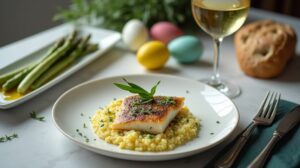
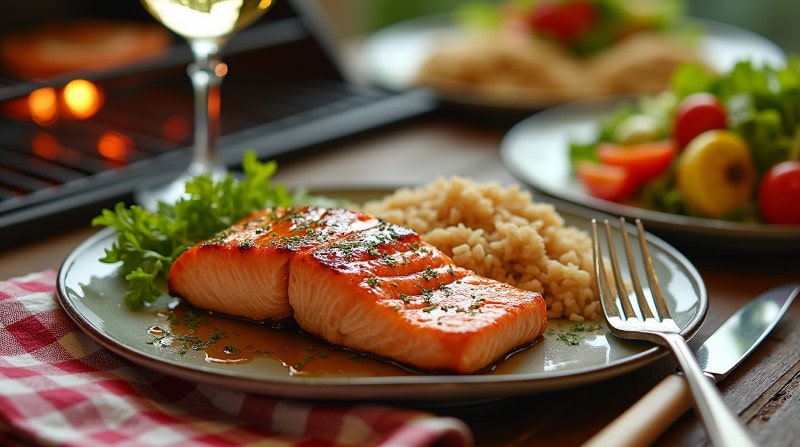
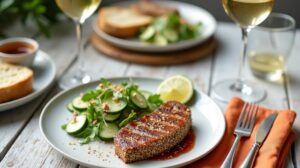
A Grüner Veltliner Smaragd accompanies veal cream patties with a creamy texture and fine spice. A cool Riesling Federspiel brings freshness to fish soup or fried pike-perch from the Danube. And a Muskateller with a delicate residual sweetness is the perfect finish to the famous Wachau apricot dumplings.
The harmony of landscape, cuisine and wine lives here – embedded in a region that invites you to stay, enjoy and discover.